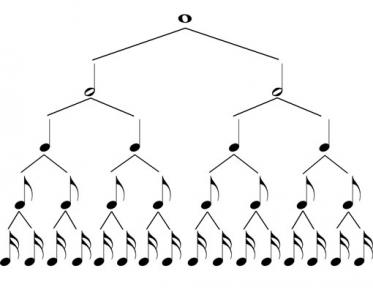
When annotating music, specific symbols are used to represent different lengthed notes, and their equivalent rests. The table below shows the four most common notes when annotating music:
| European name | Semibreve | Minim | Crotchet | Quaver |
| US name | Whole note | Half note | Quarter note | Eighth note |
| Value (in crotchets) | 4 Crotchets | 2 Crotchets | 1 Crotchet | ½ Crotchet |
| Symbol |  |  |  | 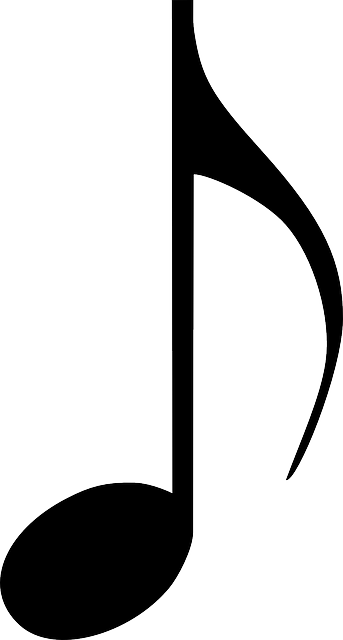 |
| Rest symbol |  |  | 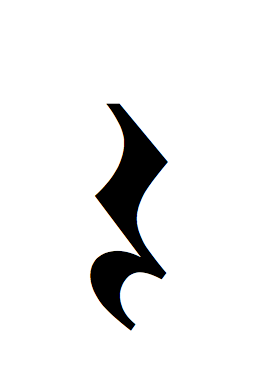 |  |
The rest symbols don’t have their own names, you just refer to them as “crotchet rest” or “semi-breve rest”.
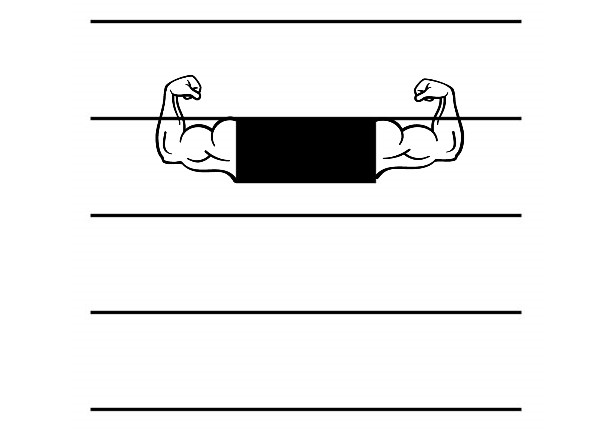
To remember the difference between a minim and a semibreve rest, I created the metaphor of a minim rest being lazy and tired, therefore taking up only 2 beats, whereas the semibreve rest puts effort in by clinging onto the upper bar-line, so it takes up 4 beats (or a whole bar).
If you have any questions about this post, or if you have any new ideas, please email myblg.music.blog@gmail.com
If you would like to learn more about music and its impact on the world, follow Our Music Blog.
 Our Music Blog