

Sight reading is the Marmite of the music world – you either love it or hate it. It has been a favourite part of my music exams for a few years.
I mean who wants to play something in an exam which hasn’t been practised, rehearsed or annotated? It sounds like a recipe for disaster. Here are my tips in no particular order;
- Just play the music closest at hand.
When I played piano I would always warm up by playing my sister’s music, which happened to be on the stand. This made me feel ready for my practice because I had warmed by fingers up a bit, and I had already played some music.
2. Explore your music books.
Playing music somehow makes me end up with boxes of music. But when I get bored or uninspired I sight read the music in them. Sometimes they are pieces from books I used to play a piece in for an exam. Sometimes these books are bought from a music sale at a dirt cheap price and sometimes the books are from very kind music teachers who just give you music because they don’t need it anymore.
3. Play to your strengths.
Strengths = interests , usually. This is good news if you just love musical theatre, or pop or country or rock or folk jazz or other instrument music you have. Just reading the music without lots of preparation will help you develop the skill.
4. Join an ensemble.
If you go to school, ask your teacher what club is best for you. If there are no clubs, start one. If you have a regional music centre, you can try and join one of their music groups. My local music centre has music classes for all levels. I joined their string group after 1 year of learning harp and now I am playing in their highest level orchestra – after 8 years of learning.
5. Now what I’ve said about ensembles is kind of impossible in Covid-19 times, so…
to continue my orchestral and ensemble education, I play along to backing tracks and I play piano duets with my sister. She plays the piano, while I play the harp. Not only is this bonding time, but it’s also good for developing our musical skills. It’s also quite fun – we sometimes play classical music, sometimes her piano pieces or even Disney songs. I recommend you try the https://www.8notes.com/piano_duet/sheet_music/ website. This link is to their piano duets, but they also have loads of other free printouts for ensembles and solo stuff. I think I’ve used this website for 7 years now. #notsponsored but love them
6. Create an ensemble you’re playing along with in your mind
When you are doing sight reading in an exam – imagine you are playing along with an orchestra. This means you will keep the pulse better which will make mistakes less obvious – hopefully. I only do this sometimes in my practice – it can get too stressful.
7. Practice makes perfect
I’m sorry but it’s true. Sight reading is like scales, technique, learning another language – you’ve just got to work at it consistently and then you’ll progress well.
8. Self confidence
You clearly want to progress as you’re reading this post, so just be confident. Know that your teacher has handed the exercise to you because they believe you can play the exercise. I personally empathise with anyone who finds this relatable because even when I am sight reading, self doubt just comes in from nowhere and I am nervous I’ll get caught out by sOmEtHiNg.
- These are my favourite books to sightread stuff.
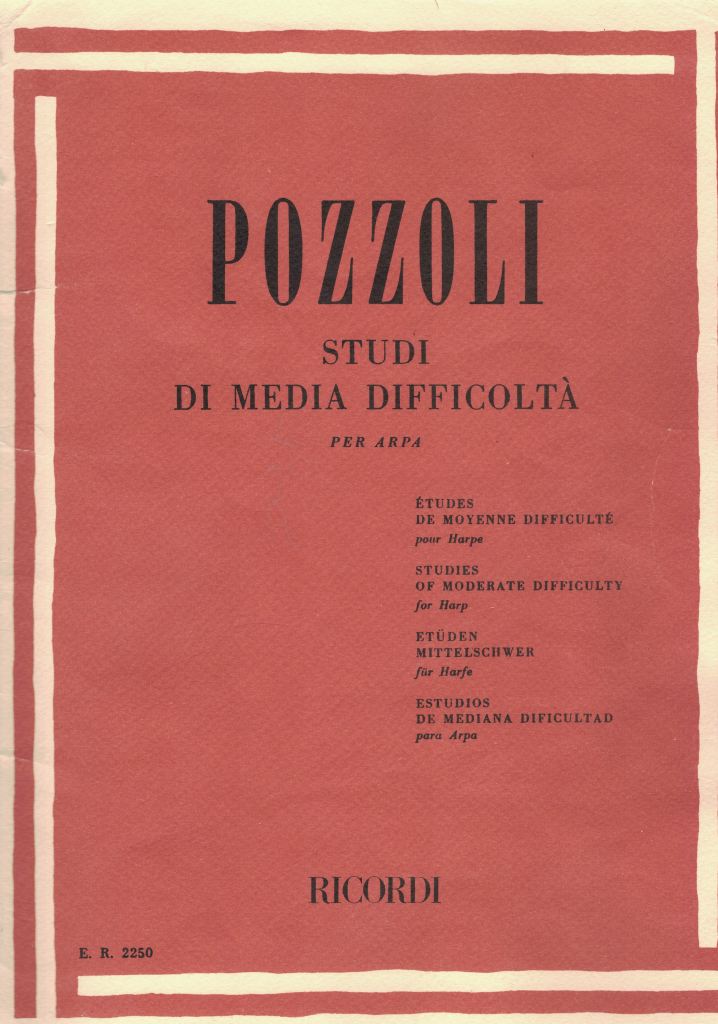
I love these studies because there are 30 and also because they sound interesting. 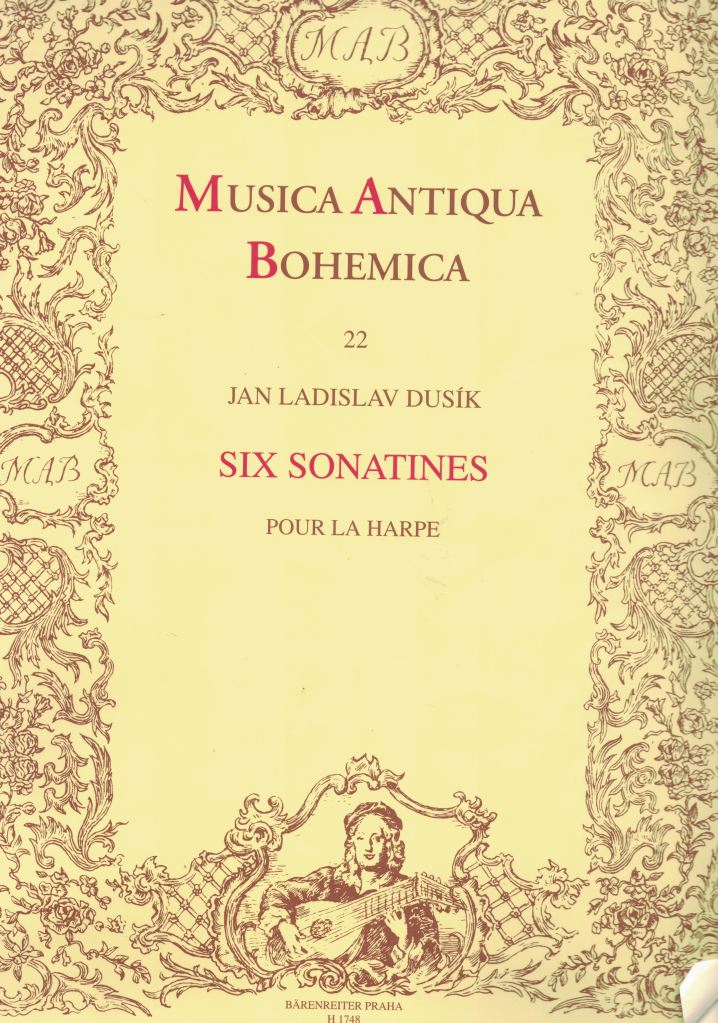
I bought this piece to learn one sonata. Now I play the others just for fun. 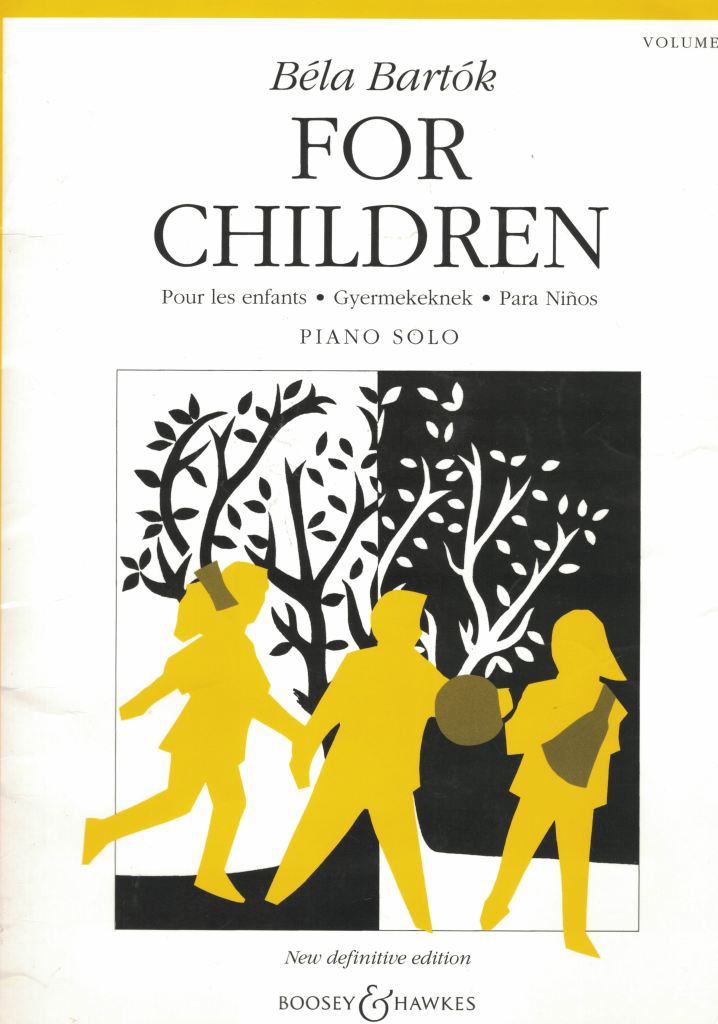
This is my favourite book – over 40 pieces to play.
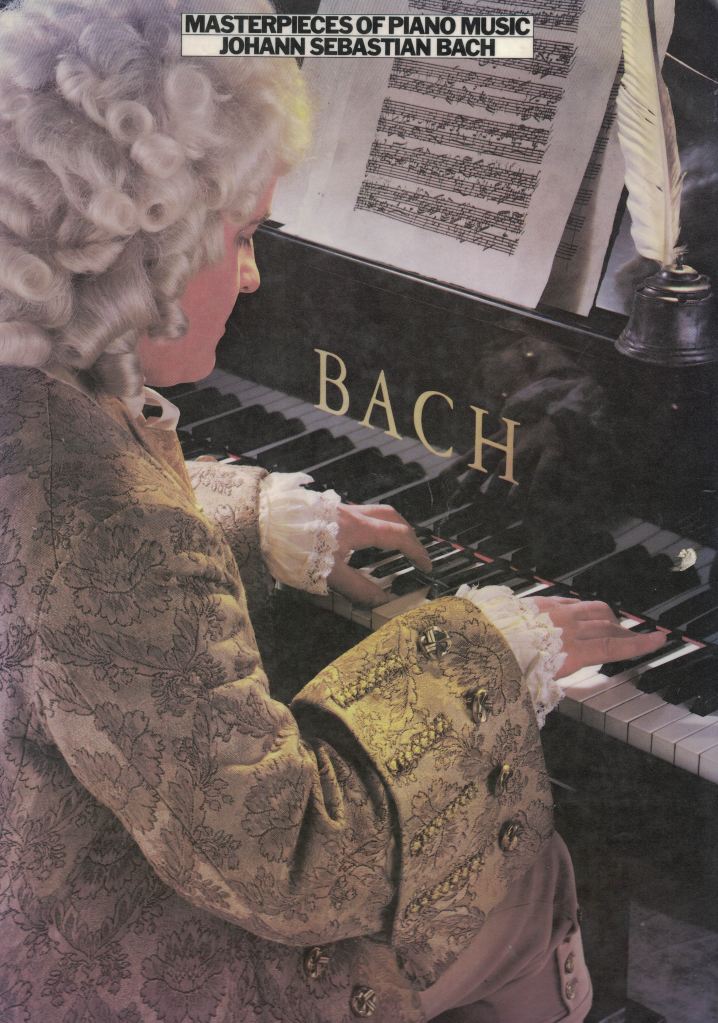
Ok some stuff is very hard, so hand separately. 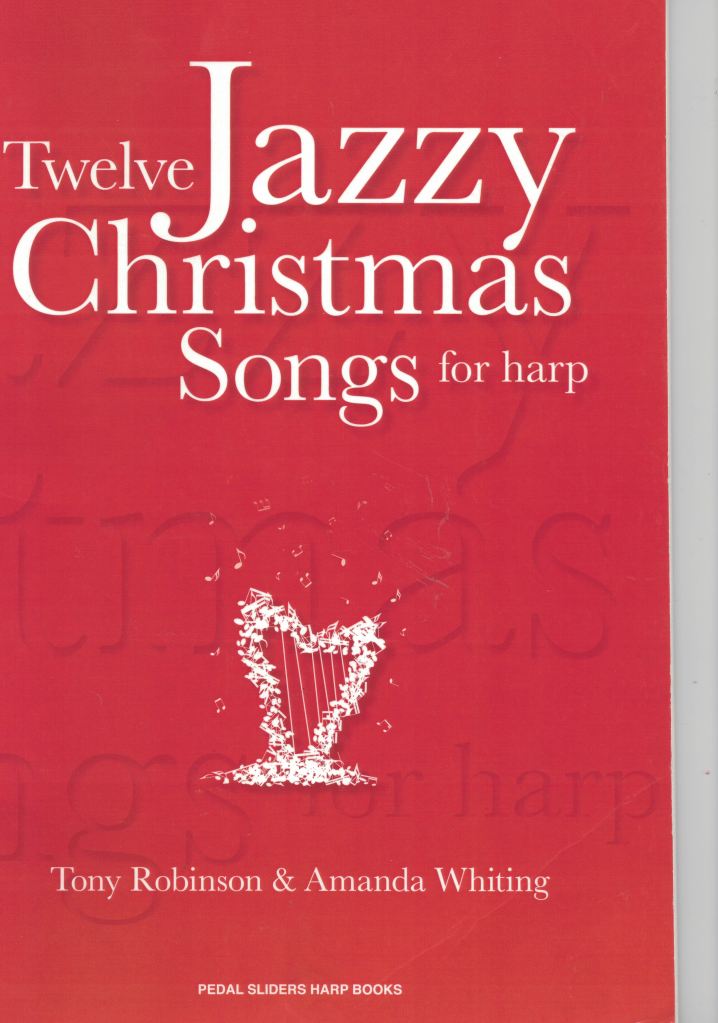
Favourite jazz book – it’s also very Christmassy. 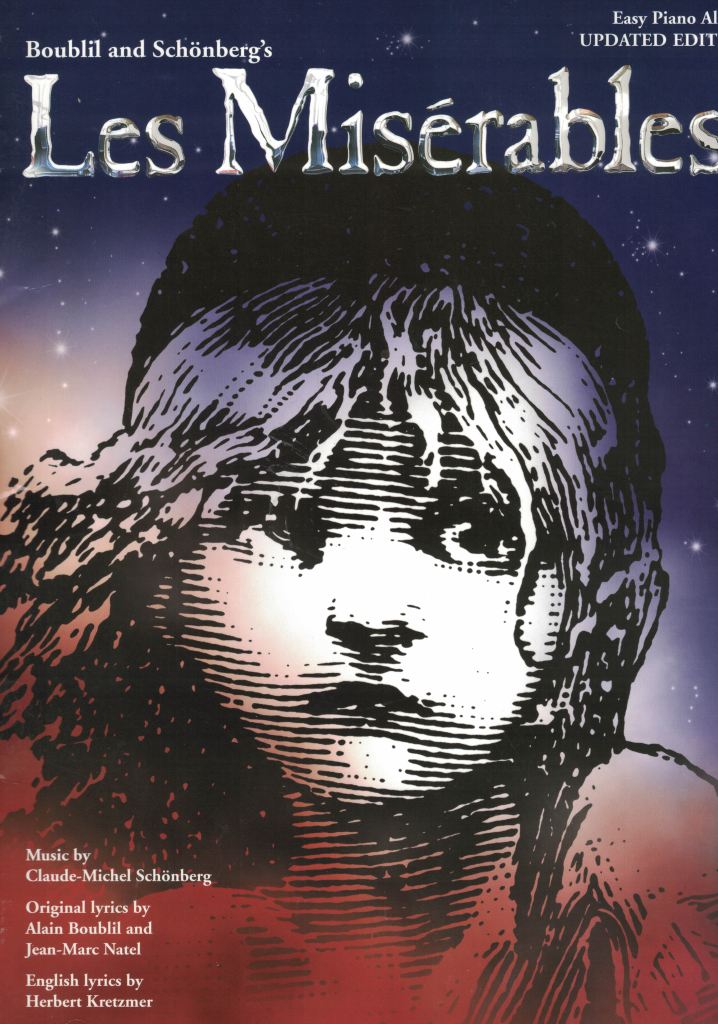
I love love love the musical.
References:
all the pictures are from books I own
tips 1-5 and 7-8 are from my own experiences apart from
tip 6 is from a harp teacher I had
 Our Music Blog